From the Slow Art Guide to Face by Fua Haribhitak
Slow art is not about doing less; it is about experiencing more deeply. And sometimes, all it takes is one artwork, one quiet moment, and the willingness to stay a little longer.

In a world shaped by speed—scrolling, skimming, and constant notifications—our way of looking has quietly changed. We often glance rather than see. The Slow Art Guide offers a gentle alternative: an invitation to slow down, stay with an artwork, and rediscover what it means to truly look.
The Idea Behind the Slow Art Guide
Developed as part of a wider slow-looking movement, the Slow Art Guide encourages viewers to spend extended time with a single artwork rather than rushing through many. Instead of focusing on art-historical facts, dates, or “correct” interpretations, the guide emphasizes presence, mindfulness, and personal experience.
At institutions such as National Gallery Singapore, the Slow Art Guide often takes the form of an audio-led experience. Viewers are gently prompted to:
- Slow their breathing and settle into the space
- Notice colors, shapes, and visual rhythms
- Observe emotional and bodily responses as they arise
There is no pressure to understand or explain. The goal is not mastery of knowledge, but connection—between the viewer, the artwork, and the present moment.
In this way, art becomes less of an object to be consumed and more of a companion for reflection.
Encountering Face by Fua Haribhitak
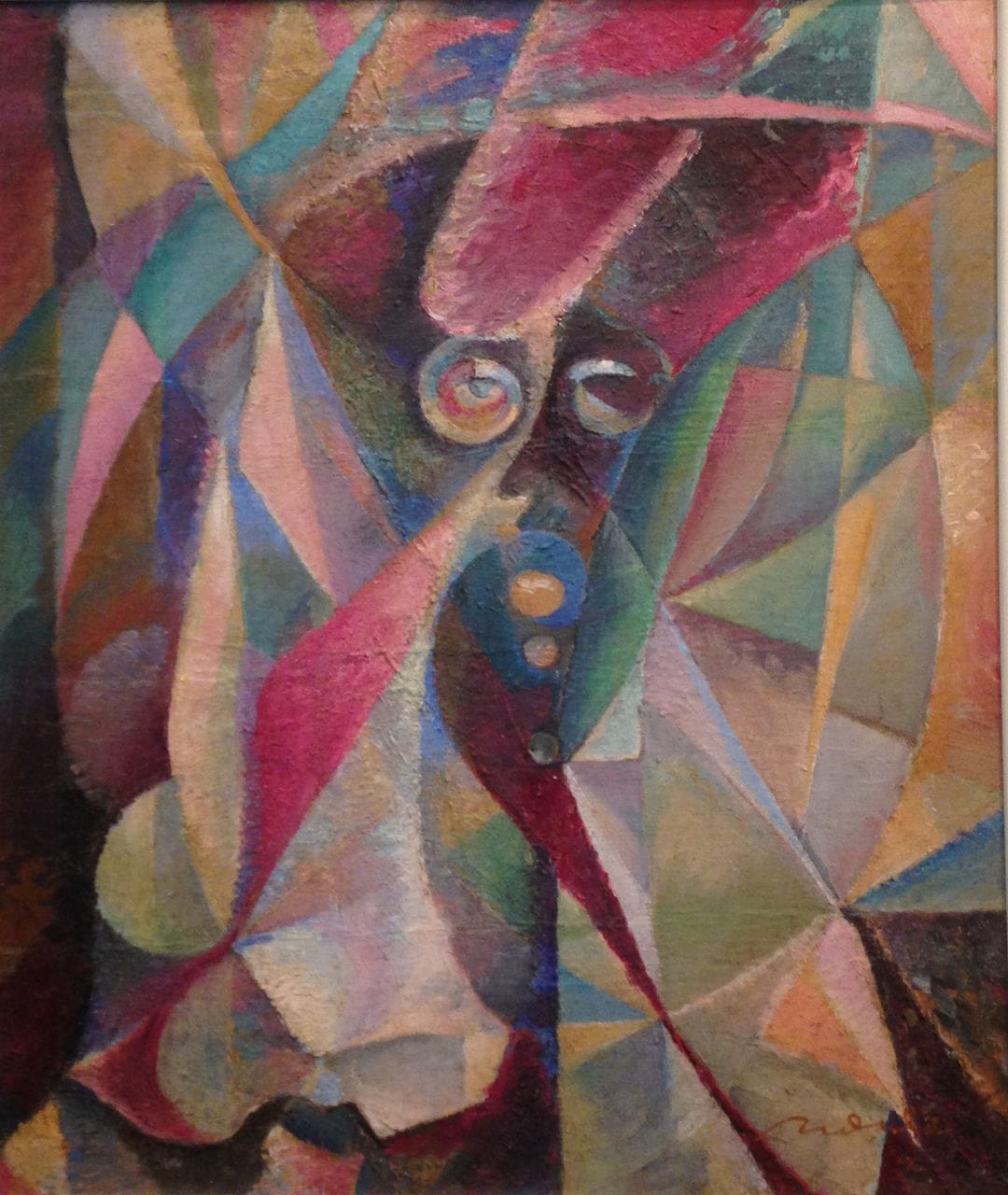
One artwork featured in the Slow Art Guide is Face by Thai modern artist Fua Haribhitak. At first glance, the painting may feel unfamiliar or even puzzling. The face is fragmented, built from bold colors and interlocking shapes influenced by Cubism and modernist abstraction.
Unlike a realistic portrait, Face does not present a single, unified image. Instead, the viewer is invited to assemble the face mentally—to move between color, form, and expression. Eyes, nose, and mouth emerge gradually, not all at once.
Through the lens of slow looking, this fragmentation becomes meaningful. Spending time with the painting allows subtle questions to surface:
- Which part of the face draws your attention first?
- Does the expression feel calm, tense, distant, or familiar?
- How do your emotions shift as you continue to look?
Rather than telling a fixed story, Face opens space for introspection. The artwork reflects not only the subject depicted, but also the inner state of the person observing it.
Why Slow Looking Matters
Seen together, the Slow Art Guide and Face remind us that art does not demand speed or certainty. Meaning unfolds slowly, often in silence. When we give ourselves permission to pause, we begin to notice more—not just in the artwork, but within ourselves.
Slow art is not about doing less; it is about experiencing more deeply. And sometimes, all it takes is one artwork, one quiet moment, and the willingness to stay a little longer.
Reference